E85 Fuel Explained: What It Is, When It Makes Sense, and When It Doesn’t 5-13-26
Table of Contents
- E85 Fuel Explained: What It Is, When It Makes Sense, and When It Doesn’t
- What Is E85 Fuel?
- How E85 Is Different from Regular Gasoline
- 1. Ethanol Content
- 2. Energy Output
- 3. Octane Rating
- 👍 Advantages of E85 Fuel
- Lower Cost Per Gallon (Sometimes)
- Cleaner Burning Fuel
- Domestic & Renewable
- Performance Potential
- Disadvantages of E85 Fuel
- Reduced Fuel Economy
- Limited Availability
- Not Compatible with All Vehicles
- Cold Weather Performance
- What Price Difference Makes E85 Worth It?
- When E85 Becomes a Good Deal
- Want to Calculate It Exactly?
- When E85 Makes Sense
- ✔ Local or Regional Fleets
- ✔ Price Advantage Is Significant
- ✔ Flex-Fuel Vehicles Already in Use
- ✔ Performance Applications
- Bottom Line
- E85 Resources
- 📍 Find E85 Fuel Near You

E85 Fuel Explained: What It Is, When It Makes Sense, and When It Doesn’t
If you’re shopping for or operating commercial trucks, fuel choice isn’t just about price at the pump—it affects performance, maintenance, and long-term operating costs. One option you may see is E85 fuel. But what exactly is it, and is it the right choice for your business? We have been selling box trucks and other commercial vehicles for over 15 years here at Signature Truck Center and people ask all the time, "What is E85?". It CAN be useful if you understand it, so that is the purpose of this post. We hope you find it informative and helpful!
What Is E85 Fuel?
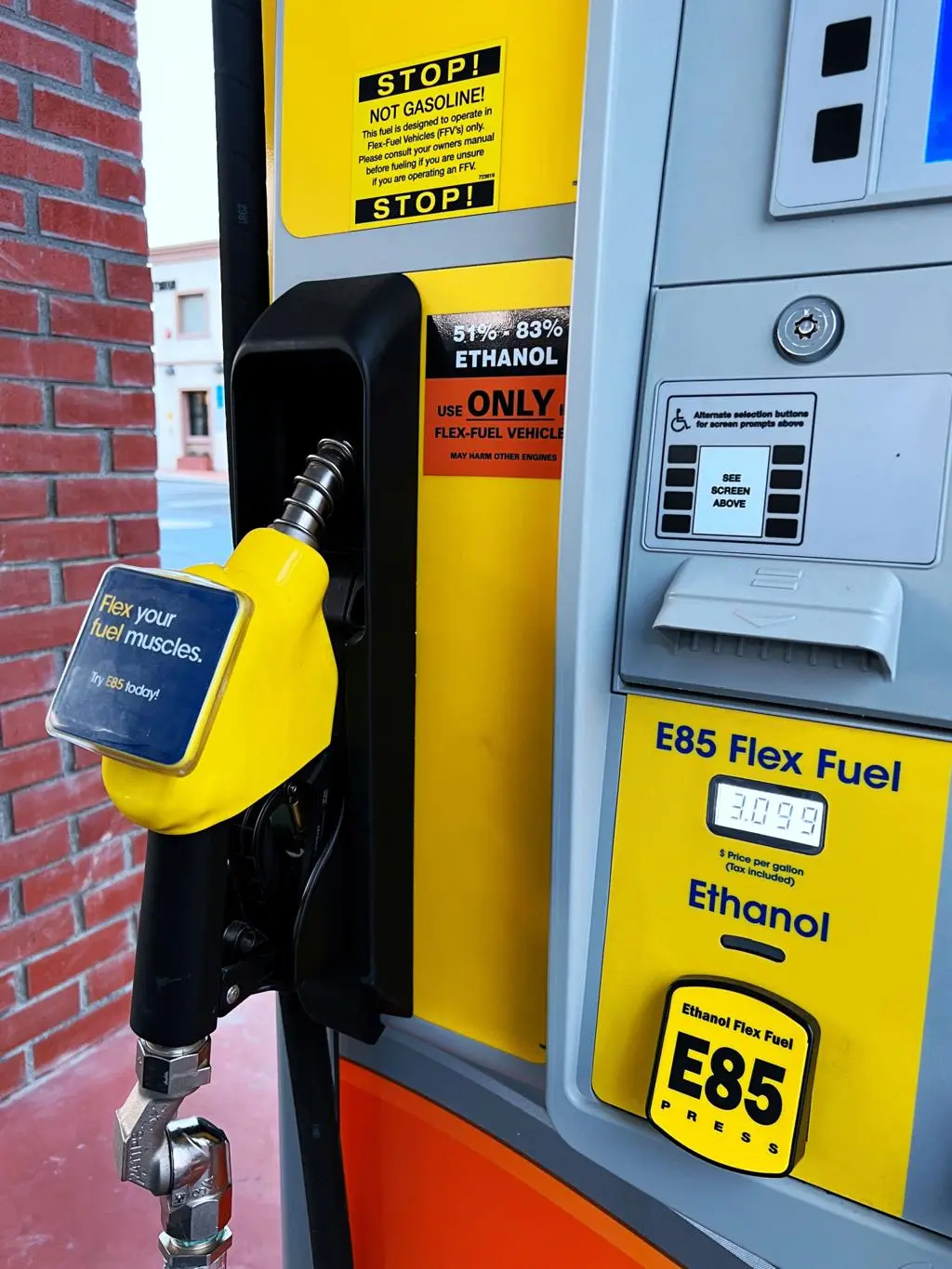
E85 is a blend of:
- 85% ethanol (a renewable fuel made primarily from corn in the U.S.)
- 15% gasoline
- It’s designed for use in flex-fuel vehicles (FFVs)—engines specifically built to run on gasoline, E85, or any mixture of the two.
How E85 Is Different from Regular Gasoline
1. Ethanol Content
- Regular gasoline: ~10% ethanol (E10)
- E85: up to 85% ethanol
2. Energy Output
- E85 contains less energy per gallon
- Result: lower miles per gallon (MPG) compared to gasoline
3. Octane Rating
- E85 has a higher octane (typically 100–105)
- This allows for better performance in engines designed to take advantage of it
👍 Advantages of E85 Fuel
Lower Cost Per Gallon (Sometimes)
E85 is often cheaper than regular gasoline—but not always enough to offset the lower MPG.
👉 You can track national average fuel prices here:
U.S. DOE Alternative Fuel Price Report
Recent data shows E85 can be cheaper per gallon than gasoline, but the difference varies by region and time of year.
Cleaner Burning Fuel
- Produces fewer greenhouse gas emissions
- Burns cleaner inside the engine, reducing some deposits
Domestic & Renewable
- Made primarily from U.S.-grown crops
- Reduces reliance on imported oil
Performance Potential
- Higher octane can mean:
- Better acceleration
- Reduced engine knocking
- Especially useful in high-load or performance-tuned engines
Disadvantages of E85 Fuel
Reduced Fuel Economy
- Typically 15–30% fewer miles per gallon
- This is the biggest drawback for most commercial users
Limited Availability
- Not as widely available as gasoline or diesel
- Can be an issue for fleets operating across multiple regions
👉 Find E85 stations near you:
E85 station map & pricing tool
Not Compatible with All Vehicles
- Only works in flex-fuel vehicles
- Using E85 in a non-FFV can damage the engine
Cold Weather Performance
- Ethanol blends can make cold starts harder in colder climates (like Illinois winters)
What Price Difference Makes E85 Worth It?





$530/mo















When E85 Becomes a Good Deal
E85 makes financial sense when:
- It’s at least 25–30% cheaper than E10
- You have consistent access to E85 stations
- Your vehicles are optimized for flex fuel
Want to Calculate It Exactly?
Use this calculator to compare real-world costs:
Or use the government tool for fleet-level analysis:
When E85 Makes Sense
E85 can be a smart choice in certain situations:
✔ Local or Regional Fleets
If your trucks operate in a defined area where E85 is readily available, it’s more practical.
✔ Price Advantage Is Significant
If E85 is consistently 20–30% cheaper, it can offset lower MP
✔ Flex-Fuel Vehicles Already in Use
If your fleet already supports E85, it’s an easy option to test.
✔ Performance Applications
Vehicles under load or tuned engines may benefit from higher octane.
Bottom Line
E85 fuel can be a cost-effective and environmentally friendly option—but only under the right conditions.
For most commercial truck buyers:
- It’s a situational fuel, not a universal solution
- It works best in flex-fuel gasoline trucks operating locally
- It’s usually not ideal for diesel-powered fleets or long-haul operations
E85 Resources
If you’re considering E85 for your vehicle or fleet, these tools and resources can help you track pricing, find stations, and calculate real-world cost savings.
📍 Find E85 Fuel Near You
Contact Signature Truck Center to find E85 compatible box trucks now!